
- Home
- Ramsar Convention
Ramsar Convention
The only global treaty devoted to a single type of ecosystem: wetlands. Signed on 2 February 1971 in the Iranian city of Ramsar, it now has 172 member countries.
- Member countries
- 172
- Ramsar sites worldwide
- more than 2,500
- Their total area
- 2.5 million km²
- Entered into force
- 1975
Three pillars of the Convention
By joining the Convention, a country takes on three commitments.
-
Wise use
Treat all wetlands on its territory with care — not only the protected ones.
-
Ramsar sites
Include the most valuable wetlands in the List of Wetlands of International Importance and manage them well.
-
Cooperation
Work with neighbours on shared rivers, lakes and migratory species.
What counts as a wetland
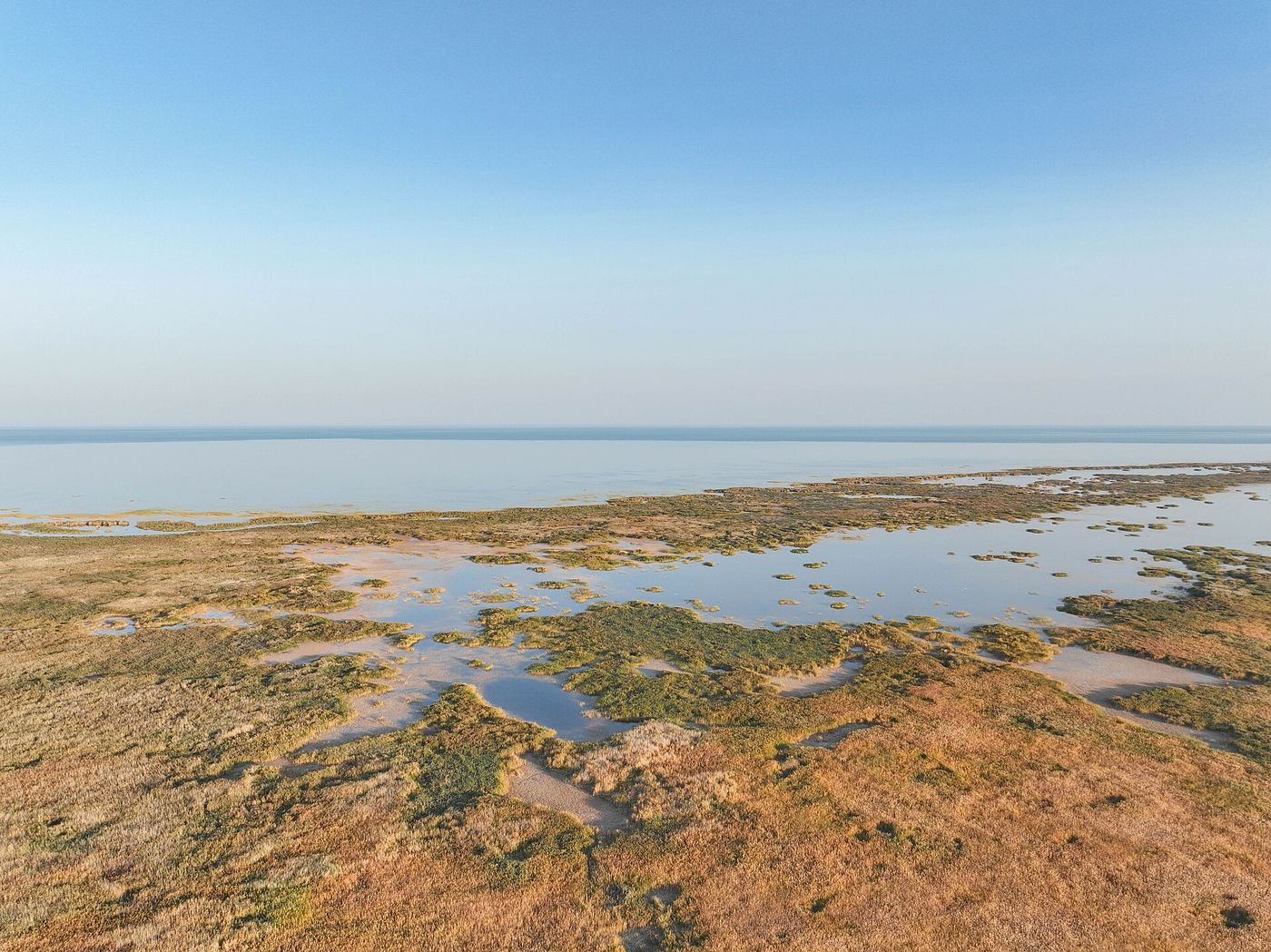
The Convention’s definition is very broad: any land where water stands permanently or temporarily, from high-mountain lakes to rice paddies.
Natural
Lakes, rivers, marshes, peatlands, oases.
Coastal
Sea coasts, deltas, bays, tidal flats.
Man-made
Reservoirs, fish ponds, salt works.
Agricultural
Rice paddies, irrigated land, seasonally flooded meadows.
How a site joins the list
- A country selects a site that meets at least one of nine criteria.
- It prepares a Ramsar Information Sheet (RIS) and a boundary map.
- The Convention Secretariat reviews the documents and publishes the site in the RSIS database.
What Ramsar site status brings
- International recognition of the site’s value
- A commitment to preserve its natural character
- A basis for management plans, monitoring and reporting
- Support and exchange of experience with other countries
Selection criteria
The first criterion is a type of wetland that is rare or unique for the region. The other eight concern biodiversity: endangered species, fish and waterbirds. For example, a site qualifies if it regularly supports 20,000 waterbirds or 1% of the entire population of a species.
Wise use
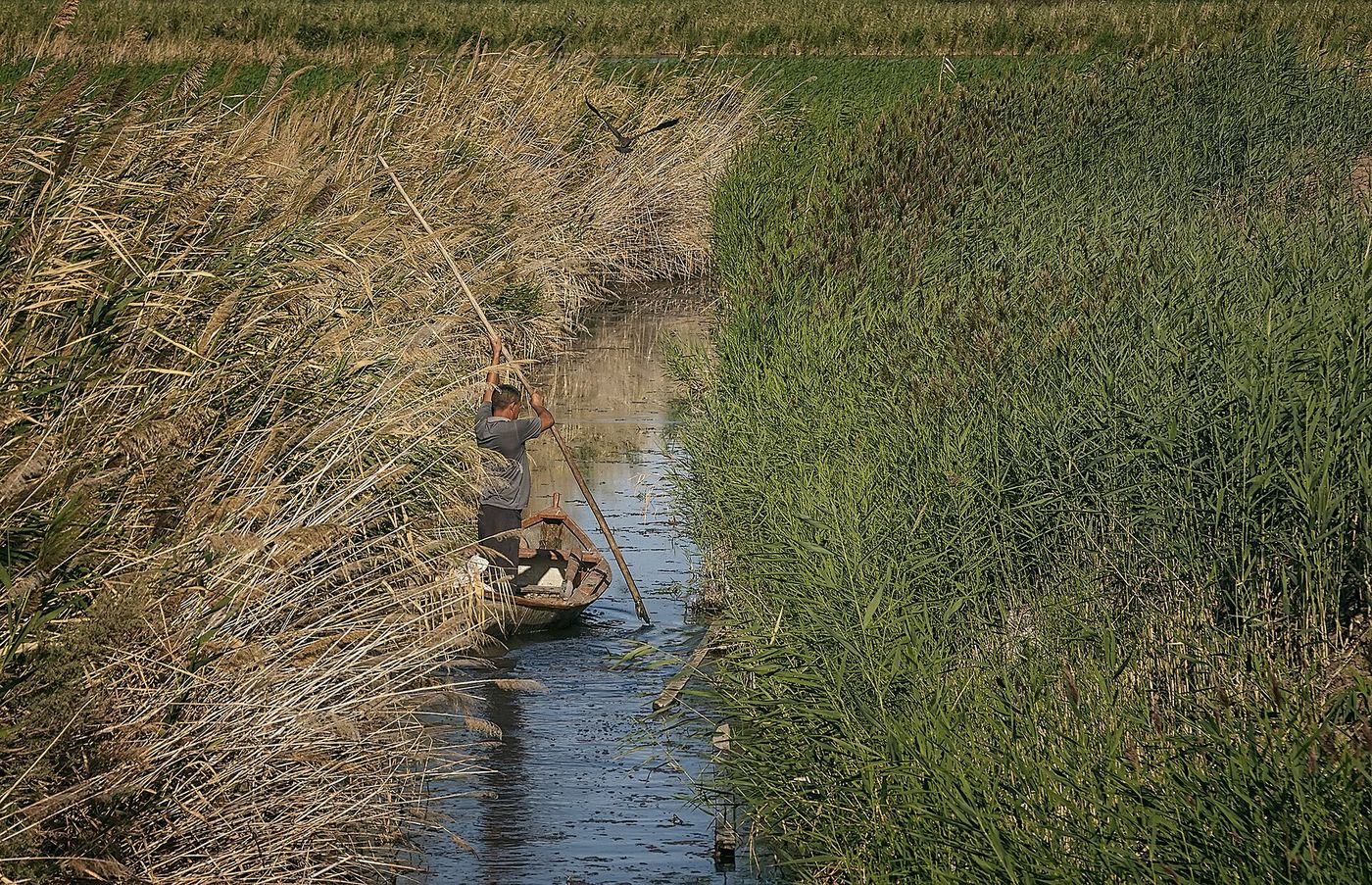
The Convention’s main principle: wetlands can and should be used — for fishing, cutting reed, grazing livestock, receiving tourists — but in a way that does not erode their natural properties. Nature conservation is not set against the lives of the people who live nearby.
National policy
Taking wetlands into account in government planning.
Inventory
Assessment of condition and monitoring.
Management plans
A conservation strategy for each site.
Education
Training specialists and working with the public.
Why it is urgent
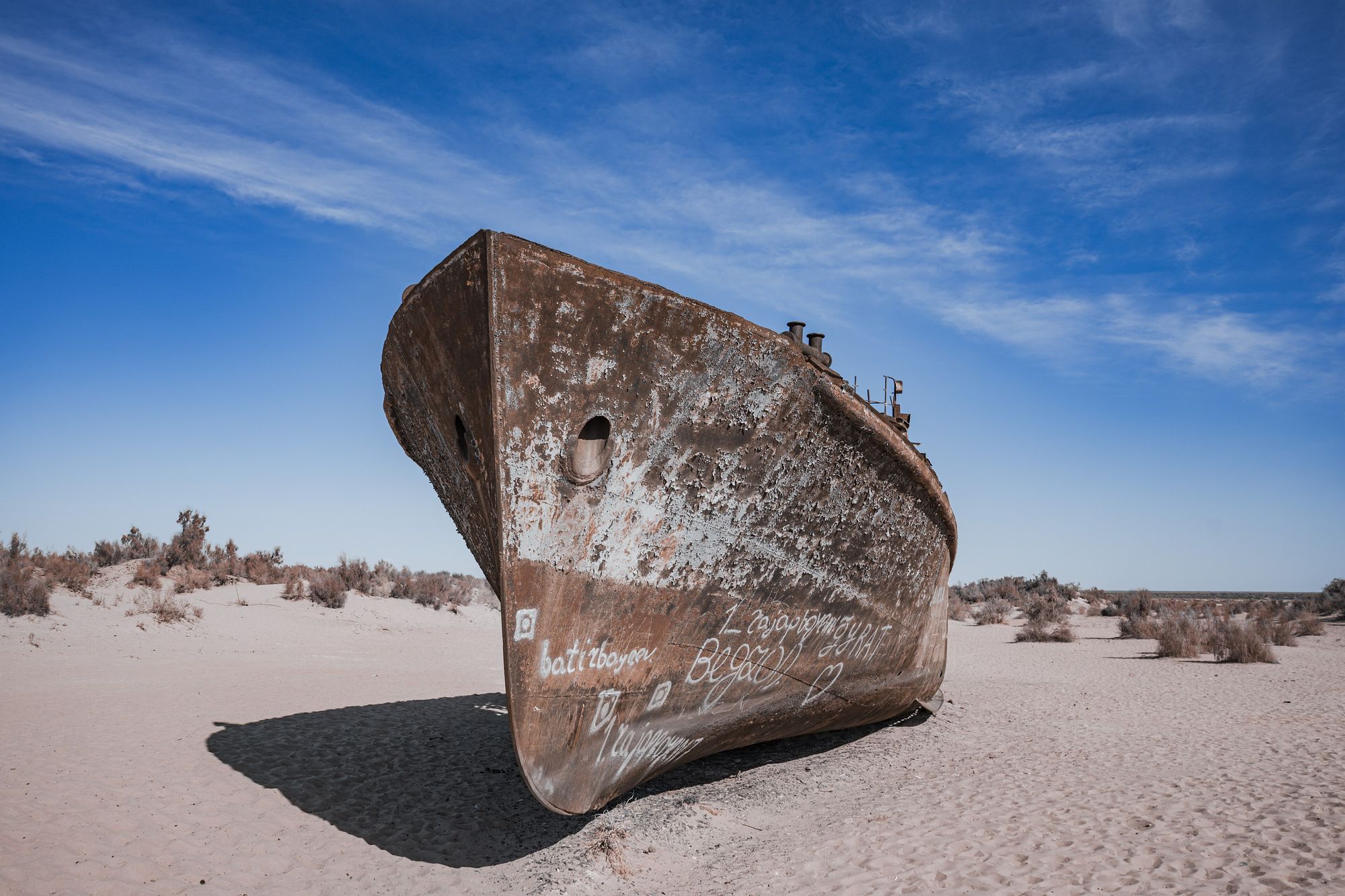
Wetlands are disappearing faster than forests. Central Asia knows the price of this better than most: the Aral Sea, once the fourth-largest lake in the world, almost dried up within a few decades. The experience of many countries shows that protection, restoration and good management can halt degradation.
- Average annual loss of natural wetlands worldwide since 1970
- 0,52%
- Area of wetlands lost in recent decades
- more than 400 million ha
2 February — World Wetlands Day
On this day in 1971 the Convention was signed. In 2021 the UN General Assembly made it an official international day.